
Your dedicated VIP companion from your first conversation to your return home.
We advise you personally, choose your clinic and doctor together and organise your journey step by step. We fly with you, accompany your VIP transfer, hotel and medical appointments, interpret for you and remain available after you return home.
Your options at a glance
Sleeve gastrectomy in Istanbul permanently reduces the volume of the stomach and is part of longer-term medical obesity treatment. It is crucial to carefully examine the indication, including reflux symptoms, comorbidities and previous therapies. After the operation, the treatment concept includes dietary adjustments, checks and, if necessary, nutritional supplements.
Detailed information
Treatment information
01Overview & essentials
Restricted Food Intake:
Restricted Food Intake:
Because the stomach is reduced in size, food intake is limited, and the person feels full more quickly.
Improvement of Metabolic Diseases:
Improvement of Metabolic Diseases:
Conditions such as diabetes, high blood pressure, and sleep apnea, which are associated with obesity, can improve or disappear.
Nutritional Deficiencies:
Nutritional Deficiencies:
Since food intake is reduced, a deficiency in vitamins and minerals can occur.
02Methods & procedure
The sleeve gastrectomy
The sleeve gastrectomy
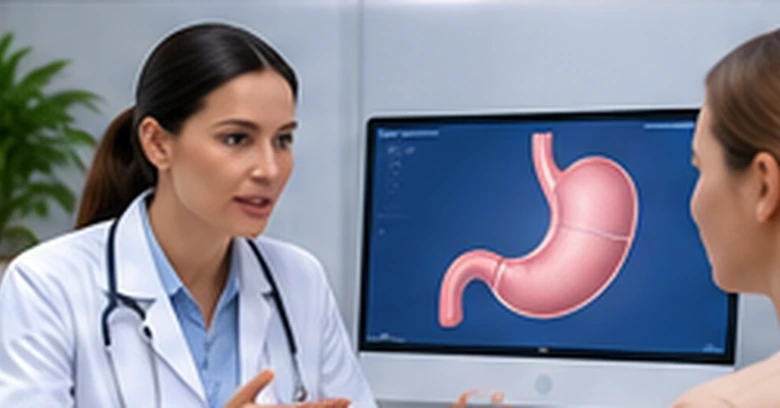
Stomach reduction surgery is a surgical procedure for weight loss in which the stomach is reduced in size. The stomach is reshaped into a long, narrow tube, significantly reducing its volume. This reduction in stomach size leads to the person eating less and feeling full more quickly. Furthermore, stomach reduction can affect the levels of certain hormones that regulate appetite, thereby reducing food cravings.
The operation:
The operation:
The operation is usually performed laparoscopically, meaning only small incisions are made in the abdominal wall. Approximately 75-80% of the stomach is removed. This method results in faster healing and a lower risk of infection.
Rapid Weight Loss:
Rapid Weight Loss:
Rapid weight loss occurs after surgery, but this can be maintained long-term with a healthy lifestyle (balanced diet, exercise).
People who are unable to lose sufficient weight through diet and exercise may consider this surgery as a solution.
People who are unable to lose sufficient weight through diet and exercise may consider this surgery as a solution.
Sleeve gastric surgery is an effective method for changing one's lifestyle and maintaining a healthy weight in the long term. However, the decision to undergo such a surgical procedure should be made in consultation with a doctor.
03Suitability, preparation & safety
Risks and complications:
Risks and complications:
Who is suitable?
Preparation before the operation:
Preparation before the operation:
Before the operation, the patient's general health is assessed, blood tests are carried out, the risks of the anesthesia are checked, and the patient's medical history is reviewed.
Long-Term Effects:
Long-Term Effects:
With a suitable lifestyle, weight loss can be maintained long-term.
Psychological Effects:
Psychological Effects:
While weight loss may initially have a positive effect, psychological support may be needed later.
Individuals with severe overweight or obesity are generally suitable candidates.
Individuals with a body mass index (BMI) of 40 or higher, or a BMI of 35 or higher who suffer from obesity-related conditions (e.g., diabetes, high blood pressure), may also be suitable candidates.
04Aftercare & results
Recovery Phase:
Recovery Phase:
After the operation, the patient typically remains in the hospital for a few days. Initially, a liquid diet is followed, and solid foods are gradually introduced. The healing process varies from person to person but usually only takes a few weeks.
Postoperative Complications:
Postoperative Complications:
Infections, bleeding, and anastomotic leaks (leaks at the connections between the stomach and intestines) can occur.
Some patients may experience heartburn or reflux after sleeve gastrectomy if stomach acid enters the esophagus.